

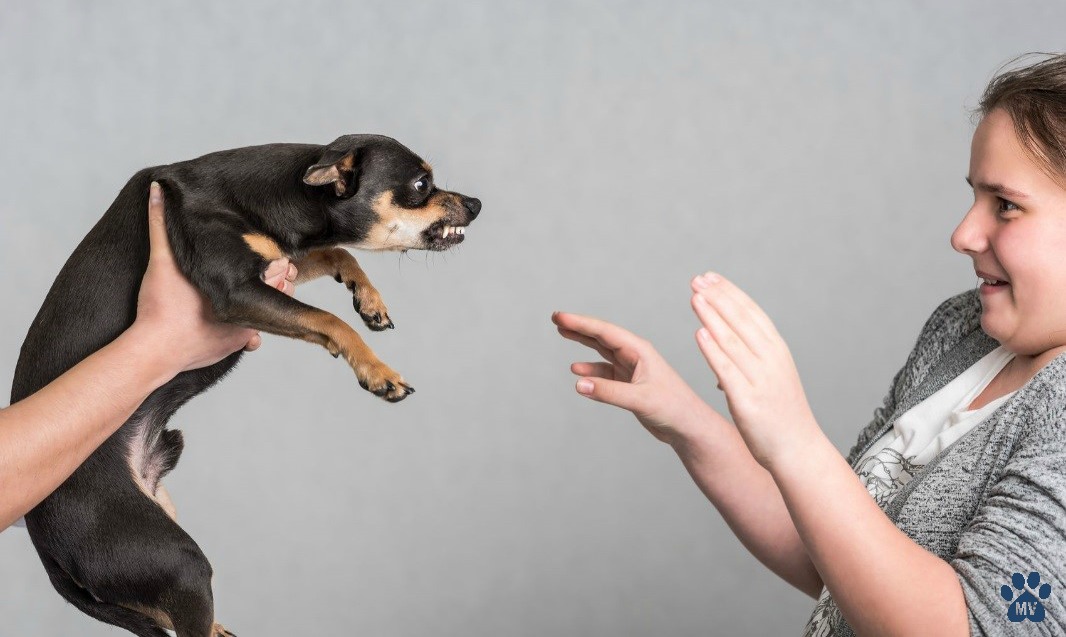
 When I first started working with dogs, I worked with a groomer who didn’t have a lot of patience with them. Dogs danced. They panted and drooled. They sat down – a lot. They growled, pulled, snapped, and bit. The groomer was constantly struggling. It did not take long before I began to think most dogs were naughty on the grooming table.
Eventually, the groomer moved on and I got a promotion. I went from being a kennel worker to grooming. It was not an advancement I was looking forward to.
I came from a horse background. The better I understood the behavior and psychology of horses, the stronger horsewoman I became. The horses I worked with became my partners. We were a team. When you’re dealing with large animals, that’s exactly what you want.
I quickly applied this concept to the dogs I was working with every day. Sure, I had to learn the haircuts. More importantly, I had to learn how to win their trust and cooperation. I needed to get inside the mind of a dog. Read the rest of this entry »


 In my years of teaching new pet groomers, I’ve seen hundreds of dogs take advantage of a new students. Dogs pull, squirm, whine, snarl… and bite. I’ve seen many students frustrated to the point of tears.
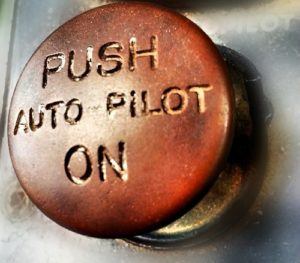 Grooming systems allow us to go on autopilot. When we’re on autopilot, we can focus on the thing that matters the most – pets!
 Excellent grooming starts always starts with a firm understating of canine anatomy. It is the FOUNDATION of all grooming.