
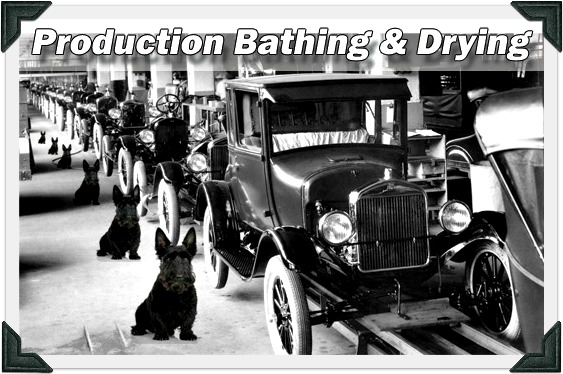
 Pet bathing and drying seems to be a huge time challenge for many professionals. Many of you are all overflowing with pets to bathe during the summer season. I thought this would be a great time to review my time-tested “game.” I loved to play this game whether it was with 8 or 80 dogs a day! I’ve done it both ways and every number in-between over the years.
If you are one of those high volume shops doing 40 – 70 or more pets per day… that’s a lot of toenail trimming no matter how you look at it!! How can you get more done in less time while not letting the quality of the work suffer? Here’s my method – it’s a fast paced game with lots of variables to mix it up every day. After all, whoever thought pet grooming was going to be a boring job?
It’s not a mystery but it is like cooking a meal. The larger and more extravagant the meal (with multiple dishes being served), the more complicated the timing and the choices get to be. With a few dogs, it’s pretty simple – the choices are limited. Add more dogs and the variables increase. Move to a full-blown shop pushing through 50+ dogs and you have something like a full force, successful restaurant that is managed by an experienced head chef. OK, so how do you manage your bathing and drying roster so all the pets are done to the highest degree of quality and proficiency, just like getting multiple dishes to the table all done to perfection and hot?
The Three Basic Rules & Guidelines to Follow
 Review all the dogs on your roster for that day or session. This game works best when you have multiple pets arriving at one time so you can stagger them according to coat type, size, and degree of difficulty.
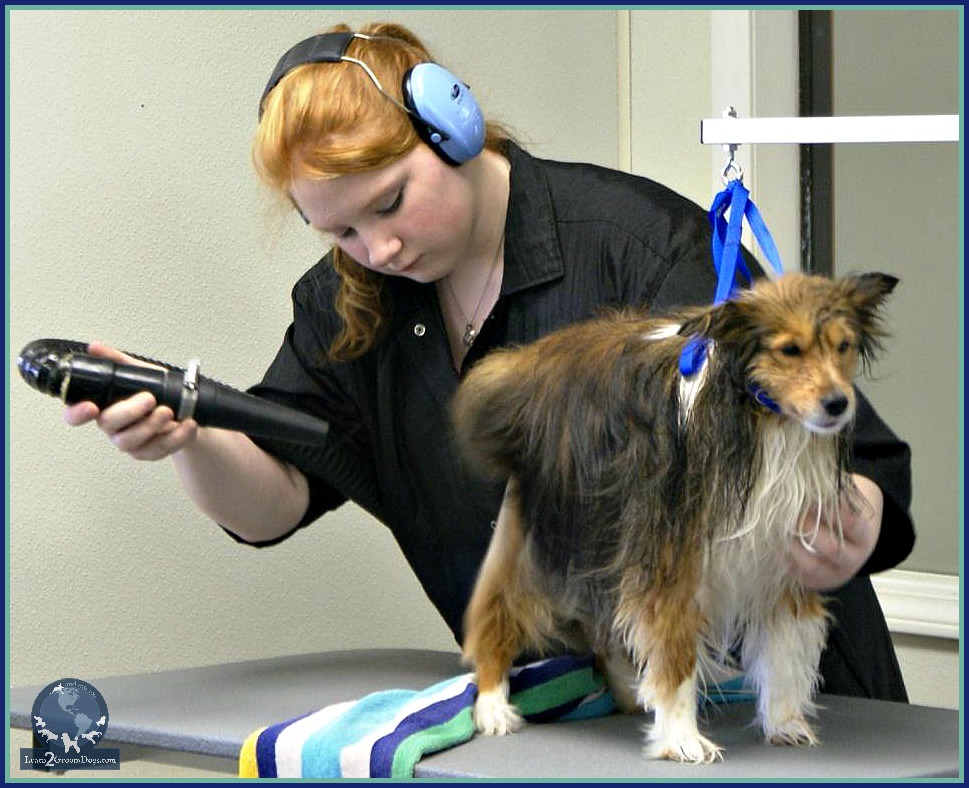
 Do your largest and furriest dog first. Something that can be bathed and then lightly high velocity dried to lift and separate the fur. By spending a few minutes with the high velocity dryer on each pet, it allows a clear view of any special needs of that animal while enhancing airflow to the coat once it is placed in an inactive drying situation. Bathe and set up the coat on all the bath and brush pets first, starting with the largest and most time-consuming dogs, working down the line of difficulty to the least difficult of the bath and brush pets. Once all the bath and brush pets are bathed, then proceed with dogs that need active drying to yield the best results
 Your goal on all trim dogs is not only to get the pet clean, but the coat needs to be tangle free and as straight as possible for the finished trim. After all the B&B pets are bathed, start washing your trim dogs. Start with the pet that has the heaviest and straightest coat – something that can sit for a few minutes while you bathe your other haircut pets without risking the coat drying before you get to an active drying method. Let the pet sit in a warm place wrapped in a towel. Proceed washing the next pet based on size, coat density and curl factor – less curl hits the tub before a curly coat – curly coats such as Bichons or Poodles go to the tub last. Once all the trim pets are bathed, start drying. The first pet up on the drying table should be the one that has the curliest, but lightest coat since that coat type will dry the quickest. If the coat dries before an active form of drying can take place while the coat is still damp, it will be impossible to remove the curl unless you re-wet the pet. Once the curliest coats have been fluffed dried so they are absolutely straight, move to the next kinkiest or wavy coat type – also weigh in the coat density factor. A lighter or shorter coat will need to go before a heavier or longer coats. A typical example would be that you have two dogs of equal size and similar haircuts like a 1 guard on the body and a fuller leg style. One dog is a Lhasa and the other is a Maltese/Shih Tzu mix. Normally the Maltese cross would have a lighter density of coat than the Lhasa, thus the Maltese mix gets dried before the Lhasa. Continue this process moving from the curliest coats down the line. The key is to get to a coat before it is dry so the heat of the dryer can straighten the fur out. Remember, the goal is always to have a straight, fluffy, mat free coat to finish. Curls and kinks in the fur make it impossible to execute a trim that is smooth and sleek. If a coat gets too dry, it must be re-wetted and the drying process started over.
 There are many variations to how this game gets played out to be effective. It is what makes a day interesting to a professional pet stylist. The better you get at this game, the faster you will be able to get through multiple pets without sacrificing quality. Think about what we do in the terms of food. An average home cook should be able to get 2-3 dishes on the table at the same time. A first-class home cook should be able to handle a meal with 4-5 dishes and at least 6 people. Seasoned home entertainers can handle an elaborate holiday meal for 20 with ease. A professional chef will master an entire shift serving over a 100 meals and all their side dishes with it all arriving to the table hot and beautifully prepared.
How far can you push yourself – before you get lost in the order of bathing pets? Test yourself and see how you do. It’s a fun game that can be challenging yet really invigorating. The more dogs, the more fun, and reward when it goes smoothly!
What are your best methods? Jump over to the Learn2GroomDogs Facebook page and tell us about it!
Happy Trimming!
~ Melissa
 from happening? How do you keep your job fresh? Fun? Rewarding?
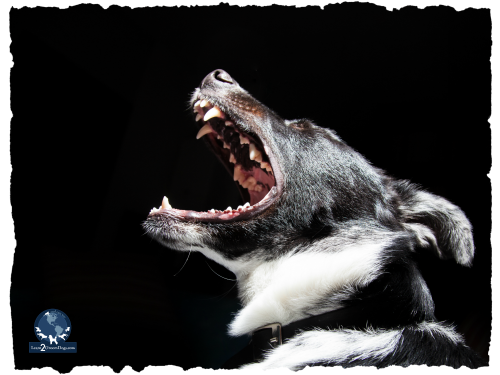 Here is the rating scale I’ve used to rate a dog’s (or cat’s) personality.
 This one can be a little tricky. If they are just mildly annoying, deal with it professionally but don’t put any more effort into the client than needed to keep them at bay. If they are rude and nasty, most likely they are just that way all the time – that’s how they go through life. I would do a great job for them, just like with any other client, but I would not go out of my way to do anything “special.”
 Strike one: we let them off with a mild warning.
 “I have a (insert breed here). Do you know how to groom them correctly?”
 The Internet is an invaluable research tool. Use it wisely. Most breeds will have a parent club that hosts an official site for the breed. Spend a few minutes reviewing images of top winning dogs in their galleries. With a little luck, you may even find grooming directions or links to grooming directions from dedicated breeders.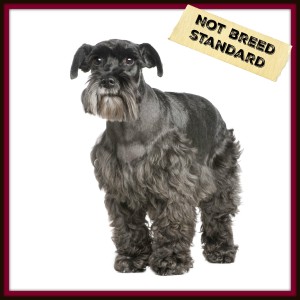
 As pet groomers and stylists, we get to see plenty of dogs. It’s rare and exciting to get a breed you are not familiar with. Most of us pros enjoy the challenge of learning about a new breed. Figuring out what we will need to do to make the dog look like it should – or could – look like if the owners allow you to groom it correctly.
 THE RECLUSE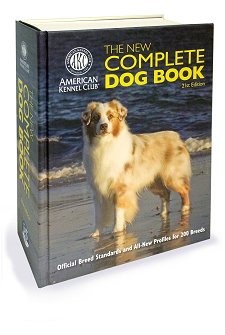
 It has been a long time since the last edition. With the AKC approving new breeds at a breakneck pace, it is nice to have an up-to-date (at least for the moment) reference. The AKC Complete Dog Book is the foundation of all great pet groomers and stylists. In comprehensive grooming schools around the country, it is the groundwork for the curriculum. It is at the root of every grooming competition. It is the foundation of every voluntary grooming certification program.
 A client calls stating they own a breed that you have never groomed before. You’ve seen it at dog shows but have never had an opportunity to groom one. Or maybe you’ve never even heard of or seen the breed before.
 Your next step is to look up the breed in reference books. If you have an American Kennel Club (AKC) Complete Dog Book (or a similar book from your country), start there. This will give you the official breed standard. Review the breed profile. Read about the history of the dog to gather clues about the dog. After a quick scan, you will have a good idea of the size, temperament, structure, and coat type of this new dog. Most will also have photos that accompany each breed. If you don’t have an official breed standard book handy, you can always look it up online.