
(Welcome to my blog! This week, my marketing expert, Joelle Asmondy, will be filling in for me. Joelle is a whiz with marketing and is a firm believer in education. Enjoy!)
 I was at one of our industry’s amazing trade shows recently and had a brief but memorable exchange with a lady that walked past our booth. I wished her a good morning and without turning her head, she glanced at the table in front of me and the many books we had on display. Never breaking stride, she dismissed me with a quick,
“I’ve been in this business for 28 years – I’m good.”
“How wonderful that she has been in business that long!” I thought. “AND that she still comes to trade shows! She must really love the work she does!” I was so impressed that for a second I didn’t realize the subtext of our “conversation.”
“I don’t need to learn anything else.”
Wait – what?!
It was such a quick encounter, but I can’t stop thinking about it. I’ve replayed it over and over in my head. This morning I finally realized why this struck such a chord with me.
 When I was working my way through college, I worked for several months in a plastics assembly plant. The work wasn’t hard and I actually enjoyed working with my hands, but I could see the lifeless glaze in the eyes of my co-workers who had been at the job for years – and would probably never leave. They had done the same tasks at the same stations for years. There was no challenge in it for them anymore. They would fall into trance-like states while working. This was not the same look I got when I lost myself in a painting I was working on, when time fell away and I lost track of my surroundings until I came up for air. This was different. For them, everything was the same, with nothing to stimulate or relieve the mindless repetition until lunch time. There was no joy and no pride in what they were doing. It was just a job – something to be done for a paycheck.
Dog grooming, like anything else, has routines. It’s how we maintain consistency, quality, and safety. However, I just can’t imagine being satisfied with doing things the same way, every day, for the rest of my life. After all, technology changes. Breed standards evolve. Styles change. People certainly change. How can anyone in an industry as rich and diverse as ours possibly think that there is nothing more to learn, nothing to be gained by looking at something anew?
“I’m good.”
Anyone in sales or who works a trade show will tell you that you have to accept hearing, “no” more than you hear, “yes.” Was this person just telling me that she didn’t want to spend her money with us? Possibly. Maybe she had other priorities – shampoo, sharpening, new shears – that needed the cash in her wallet. I respect that. The difference is the deferral she gave. It wasn’t, “I already have that,” or “No thanks,” or even, “Leave me alone.” I have a very strong feeling that, had I offered the books for free, I would still have been met with, “I’m good.”
“I’ve been in this business for 28 years….”
I love it when people stop by to tell us how long they’ve been grooming – and that they still love learning new things. I love it because I know they’re happier in their lives. There’s something about trying new things and embracing change that stimulates us and makes us thrive, not just live. Think about the last time you experimented with a new technique. Maybe you tried Asian Fusion for the first time and your customer LOVED it? Maybe you learned a different scissoring method that saved time and effort which enabled you to groom another dog each day – or to go home a little earlier? Maybe you tried a new shampoo that reduced the amount of time you had to spend brushing a tangled pet and your arms weren’t so tired every night?
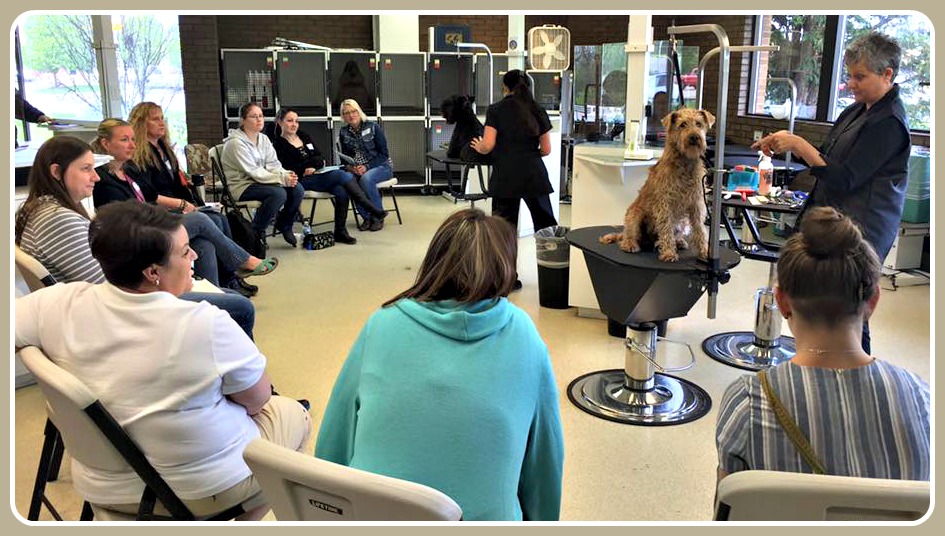 Whatever it was, it happened because you were open to learning something new. Does that mean you HAVE to go out and buy our books? Of course not (although we wouldn’t mind!). Don’t automatically short-change yourself because you’ve been at it for years. There is always something new to be learned and so much more to life than just slogging through the days.
Successful people know that learning is the key to their success. “If you settle back and decide that you’ve learnt everything you need to know about running a business, about succeeding in your career or about managing and motivating your team … you’ll lose out to competitors who have a passion for learning.”
So true.
It may not be easy or convenient to learn new things. It takes time to adapt to new things until the change feels natural – but isn’t it worth it? Best friends were strangers at first. Think of all the movies you might have missed, the books you’d never read, and the amazing food you’d never have experienced if you’d never tried anything new. I try new things every day and I can honestly say that because of it…
“I’m good.”
Make it a great week!
~ Joelle Asmondy
 If yours is like most grooming salons, it’s next to impossible to hire the ready-made job applicant. It’s rare to find that person who will be everything you need, right away. Even if you do find great candidates, it’s still going to take work to bring them up to speed. To bring them in line with the way YOU do things in your business. To teach them your culture.
 Observe how they work. Even with the most basic tasks like answering phones or washing dogs, many new hires need to be gently coached. Even if their skill level is weak, if they have the right attitude, you will be able to train them quickly. But you have to understand where they are in their current level of training. And the only way to learn that is by having them demonstrate their work.
 If you’re going to work 2000+ hours per year, don’t you want to be doing something you are passionate about? In a place you enjoy? To be respected? Treated fairly? Providing a valuable service to clients? Of course you do. That’s what we all want.
 Goals & Standards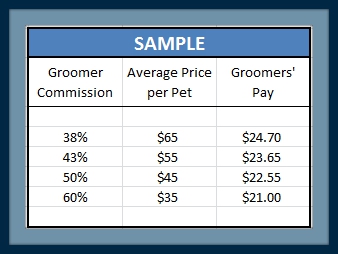
 When I first opened
  The idea of licensing within the pet grooming industry is not a new one. I still remember the efforts of Gregory Krisp and Kathy Rose 20 years ago. They were backed by the late Sally Liddick and Barkleigh Productions. They formed the Groomer Licensing Founders Committee in 1996. They were on the forefront of the licensing issue in our industry. Unfortunately, they were way ahead of their time. Their efforts fell upon deaf ears.
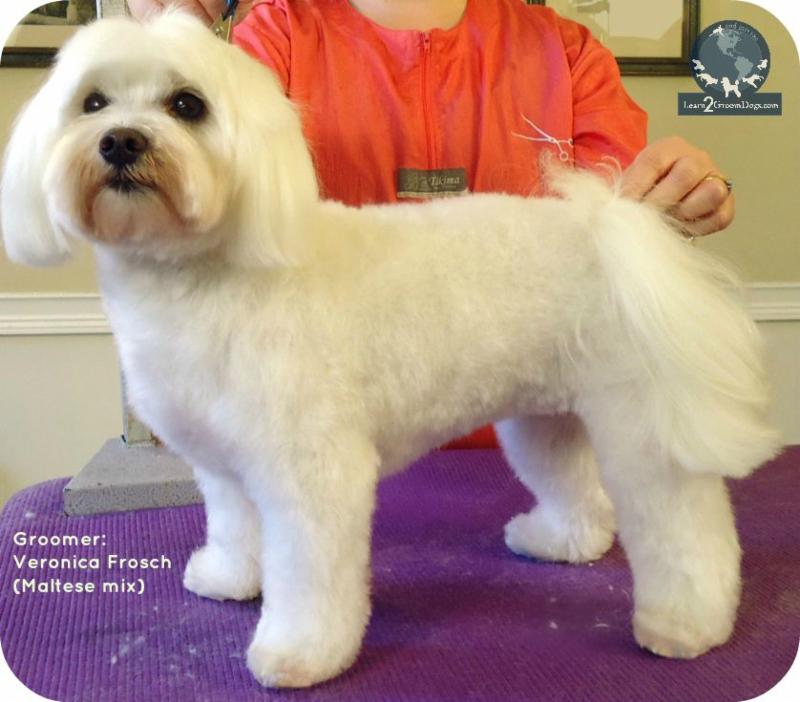 Don’t you love it when an owner walks into a salon and ask for this trim by name? They actually think this is a universal standard trim that all groomers and pet stylists should know how to do. When we start asking them questions, they get all huffy, thinking we don’t know how to do our jobs. Frustrating!! You and I know there isn’t a consistent right way to do a “puppy cut.” There are many – many variations!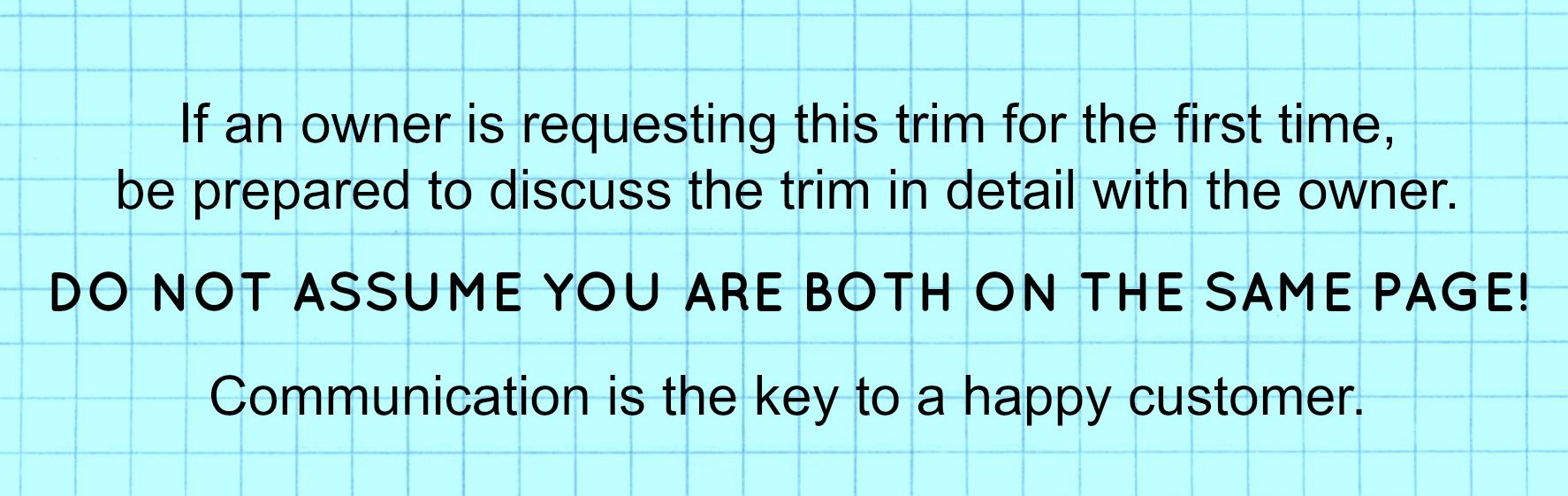
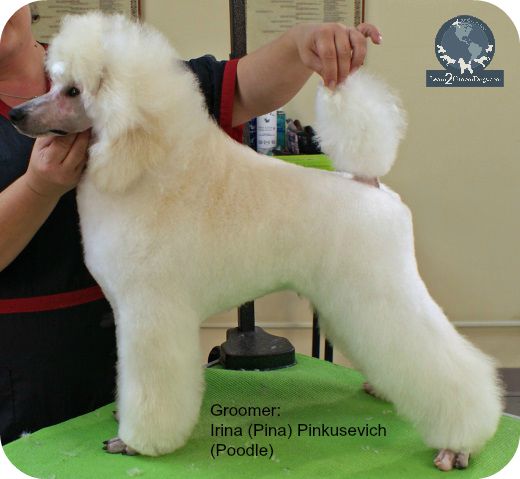 It’s important to keep this in mind, too: one person’s interpretation of a puppy cut might be that of a smooth-coated puppy. Think Boxer, Pug, or Beagle. Another person’s interpretation would be that of a fluffier breed like a Shih Tzu, Bichon, or Poodle. There’s also a big difference between a four-week old puppy and a ten-week old puppy in terms of coat growth.
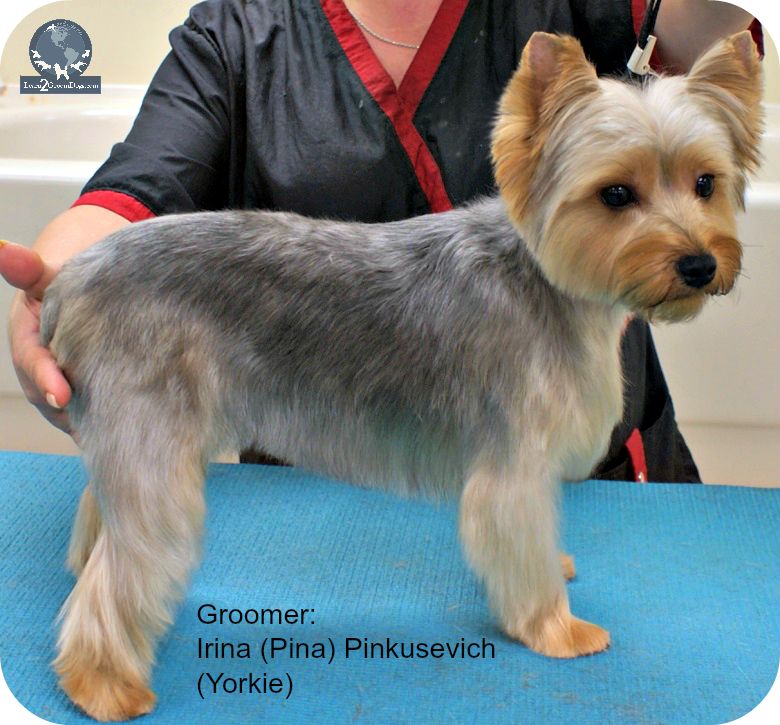 Here is a list of talking points when a new client request a “puppy cut.”
 Take charge of the conversation and win over your clients by using The Theory of Five!
 If you’ve been watching the news lately, you have probably heard about the newest illness threatening our pets. Canine influenza (CI), or dog flu, is a highly contagious infection that can have serious implications not only for our pets, but for your business and our industry.
 Preventing the Flu: Step One