

 Excellent grooming starts always starts with a firm understating of canine anatomy. It is the FOUNDATION of all grooming.
The bones are there, too. Whether the dog is anatomically correct when compared to the breed standard is something else altogether. Understanding what a physically sound dog is will help you immensely. When you know the difference between good and bad structure, you’ll be able to hide many faults.
When we combine all the layers of the dog – the bones, muscles, the skin, and the fur – we will be able to mold and shape the coat to highlight the dog’s best features and downplay the others. If the bone structure is a little less than perfect, you can use the hair to camouflage those defects.
Before you begin grooming any dog, get your hands on them! Close your eyes. Feel the structure under the coat. Sink your fingers deep in the fur. Pay close attention to the muscle groups highlighted in color in these diagrams. Read the rest of this entry »
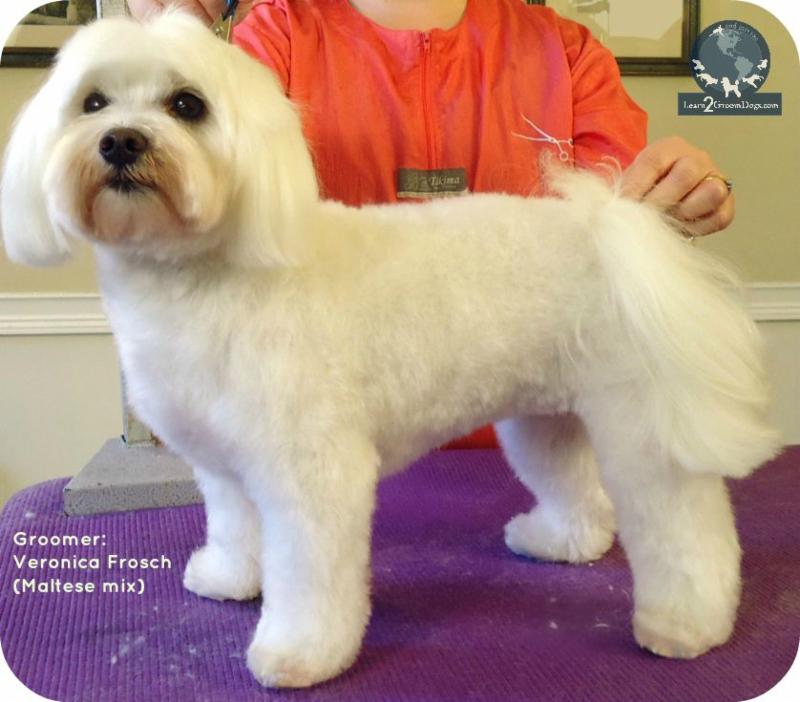 “Give my dog a puppy cut.”
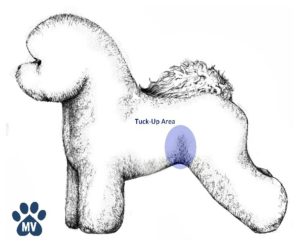 What is the tuck-up area on a dog?
 When I am speaking at industry events, I like to ask, “How many of you took a vacation last year?” It’s shocking how often large portions of my audiences do not raise their hands.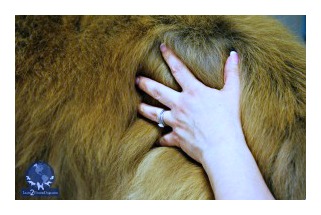
 But how do you feel when that appointment book has empty slots? Maybe you are just starting out on your own and have an open book. Maybe you are new to the salon and need to build a fresh clientele. Or maybe you have been at your salon for a while, yet you’re just not getting traction with repeat customers.
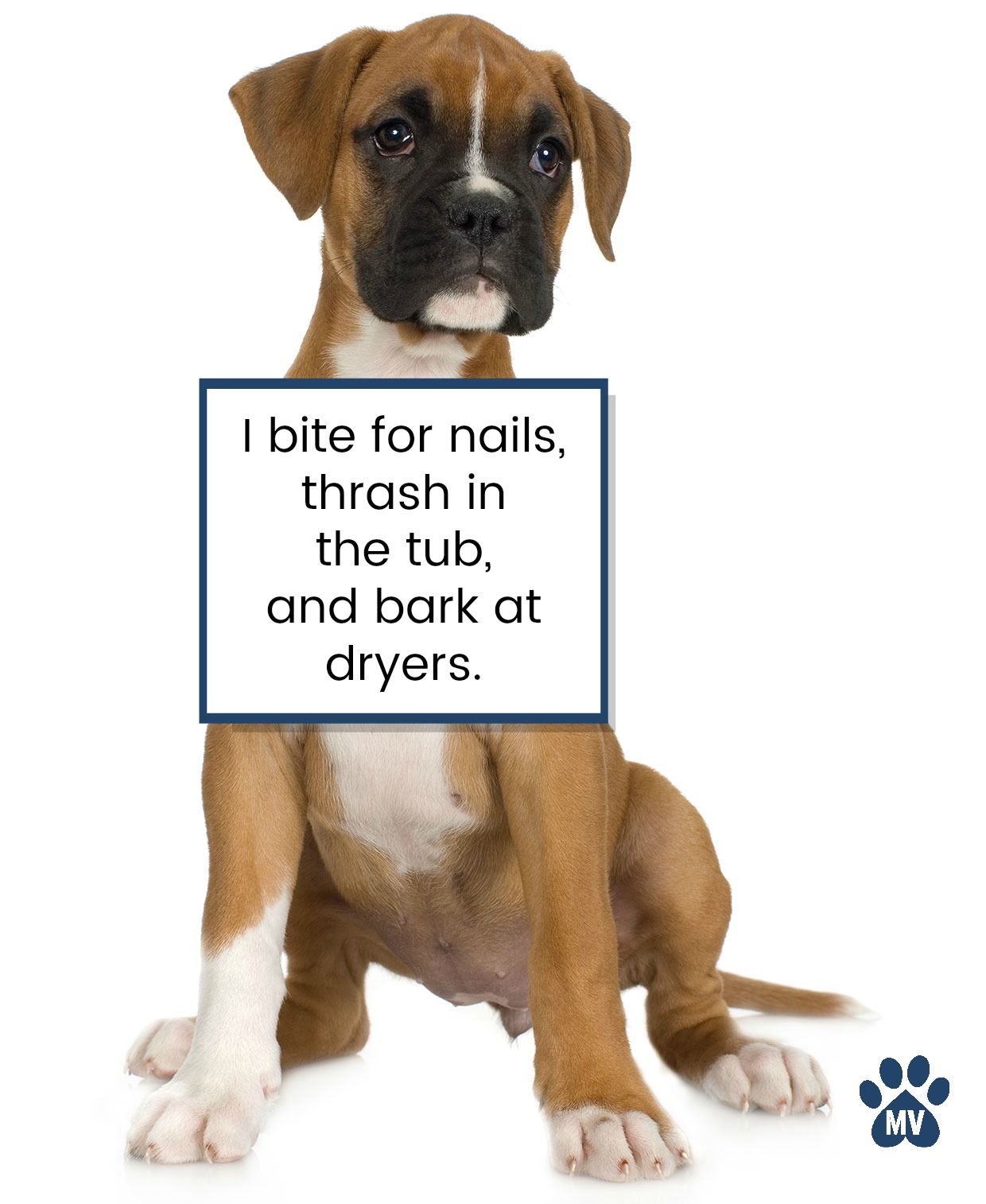
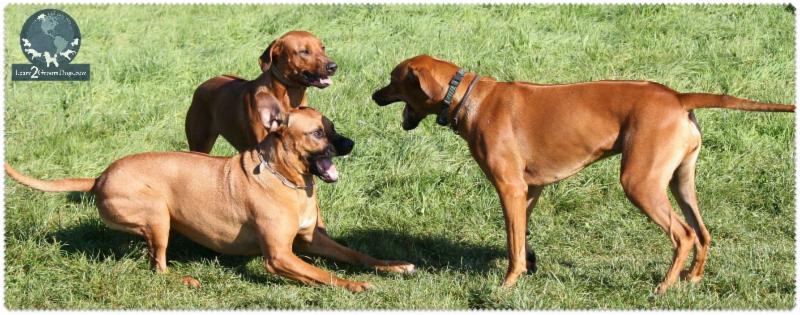 Some dogs receive clear directions from their owners. They have rules and boundaries at home. This makes them very easy to work with in a professional setting. Other pets will not be well-mannered in a professional setting. The personality quirks we all experience working with pets will vary from dog to dog.